
How to Build an Emergency Fund: Life is unpredictable. Unexpected expenses such as medical emergencies, car repairs, home maintenance, or sudden job loss can put a significant strain on your finances. Without a financial safety net, many people rely on credit cards or loans, which can lead to debt and additional financial stress. That’s where an emergency fund comes in.
Table of Contents
- Introduction
- What Is an Emergency Fund?
- Why You Should Keep an Emergency Fund in a Bank Account?
- How Much Should You Save?
- The most important step is simply getting started
- Common Mistakes to Avoid
- Benefits of Having an Emergency Fund
- Our Team Final Thoughts
- FAQs
Introduction
An emergency fund is money set aside specifically for unexpected expenses. It provides financial security and peace of mind during difficult times. The good news is that you don’t need to be wealthy to start one. By using your bank account strategically, you can gradually build an emergency fund that protects you from life’s financial surprises.
In this guide, you’ll learn why an emergency fund is important, how much you should save, and practical steps to build one using your bank account.
What Is an Emergency Fund?
An emergency fund is a dedicated savings reserve that is only used for genuine emergencies. It is not meant for vacations, shopping, or entertainment. Instead, it is designed to cover unexpected situations such as:
- Medical expenses
- Job loss
- Emergency home repairs
- Vehicle repairs
- Family emergencies
- Urgent travel expenses
Having an emergency fund means you won’t have to borrow money or disrupt your long-term investments when unexpected costs arise.
Why You Should Keep an Emergency Fund in a Bank Account?
Keeping your emergency savings in a bank account offers several advantages.
Easy Access
During an emergency, you need immediate access to your money. A savings account allows you to withdraw funds quickly whenever necessary.
Safety
Money stored in a regulated bank is much safer than keeping cash at home. Your savings are protected against theft, loss, or damage.
Earn Interest
Many savings accounts earn interest, allowing your emergency fund to grow gradually while remaining accessible.
Better Financial Discipline
Maintaining a separate bank account for emergencies helps prevent unnecessary spending and encourages consistent saving habits.
How Much Should You Save?
Financial experts generally recommend saving enough to cover three to six months of essential living expenses.
For example:
- Monthly expenses: Rs.15,000
- Emergency fund goal: (For 03 Months Rs. 45,000/- And For 06 Months Rs. 90,000/-)
If that amount seems overwhelming, don’t worry. Start with a smaller goal, such as Rs.1000 or Rs.2,000, and build from there.
The most important step is simply getting started
Step 1: Open a Dedicated Savings Account
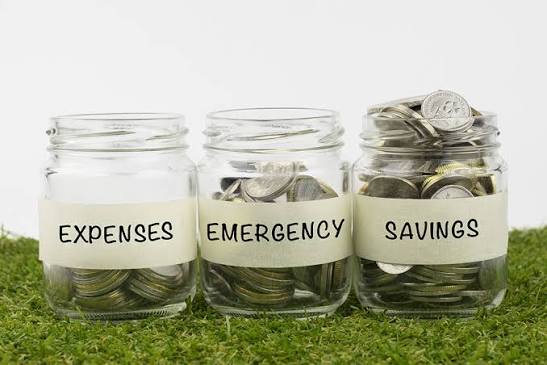
One of the easiest ways to build an emergency fund is by opening a separate savings account. Keeping emergency savings separate from your everyday checking account reduces the temptation to spend the money on non-essential purchases.
When choosing a savings account, look for:
- Low or no monthly maintenance fees
- Competitive interest rates
- Easy online and mobile banking access
- No minimum balance requirements
- Automatic transfer options
A dedicated account keeps your emergency savings organized and protected.
Step 2: Set a Realistic Savings Goal
Saving becomes easier when you have a clear target. Instead of saying, “I want to save more money,” set a measurable goal.
Examples include:
- Save Rs.2,000 in six months
- Save one month’s living expenses within a year
- Build a six-month emergency fund over three years
Breaking a large goal into smaller milestones makes it feel much more achievable. Celebrate each milestone as motivation to continue.
Step 3: Automate Your Savings
Automation is one of the most effective ways to build savings consistently. Set up an automatic transfer from your checking account to your emergency savings account each payday.
Even small automatic deposits add up over time.
For Example:
- Rs.500 per week = Rs.26,000/- per year
- Rs.1000 per week = Rs.52,000/- per year
Because the money moves automatically, you’re less likely to spend it.
Step 4: Include Emergency Savings in Your Monthly Budget
Treat your emergency fund like any other monthly bill. When creating your budget, allocate a fixed amount toward savings before spending on entertainment or luxury purchases.
Review your monthly income and expenses to identify areas where you can reduce spending.
Examples include:
- Dining out less often
- Cancelling unused subscriptions
- Limiting impulse purchases
- Reducing online shopping
Redirect those savings directly into your emergency fund.
Step 5: Save Windfalls and Extra Income
Unexpected income provides an excellent opportunity to grow your emergency fund faster.
Consider saving:
- Tax refunds
- Work bonuses
- Cash gifts
- Freelance income
- Side hustle earnings
- Cashback rewards
Instead of spending extra money immediately, deposit all or part of it into your emergency savings account. These occasional contributions can significantly accelerate your progress.
Step 6: Avoid Using the Fund for Non-Emergencies
One of the biggest challenges is resisting the temptation to dip into your emergency fund. Use the money only for genuine financial emergencies.
Examples of valid emergencies include:
- Unexpected medical bills
- Urgent home repairs
- Essential car repairs
- Temporary unemployment
- Emergency travel due to family situations
Avoid using it for:
- Vacations
- Shopping
- Holiday gifts
- Dining out
- Electronics upgrades
Protecting your emergency fund ensures it is available when you truly need it.
Step 7: Rebuild After Using It
- Sometimes emergencies happen—and that’s exactly why the fund exists.
- If you need to use part of your savings, don’t get discouraged.
- Simply restart your automatic contributions and rebuild your balance over time.
- The important thing is maintaining the habit of saving consistently.
Common Mistakes to Avoid
Many people struggle to build emergency savings because of avoidable mistakes.
These include:
- Waiting until you earn more money
- Keeping emergency savings mixed with everyday spending money
- Setting unrealistic savings goals
- Ignoring small contributions
- Spending savings on non-essential purchases
Remember that consistency matters far more than the amount you save each month.
Benefits of Having an Emergency Fund
Building an emergency fund offers numerous long-term financial benefits.
These include:
- Reduced financial stress
- Greater peace of mind
- Improved financial stability
- Better ability to handle unexpected expenses
- Increased confidence in managing your finances
An emergency fund also supports long-term financial goals because you won’t need to interrupt retirement or investment plans when unexpected costs arise.
Our Team Final Thoughts

Building an emergency fund doesn’t happen overnight, but every small deposit moves you closer to financial security. By using your bank account wisely, setting realistic goals, automating savings, and staying disciplined, you can create a financial cushion that protects you from life’s unexpected challenges.
Remember, the goal isn’t perfection—it’s consistency. Even modest contributions made regularly can grow into a meaningful emergency fund over time. Start today, stay committed, and enjoy the peace of mind that comes with knowing you’re prepared for whatever life brings.
FAQs
Most financial experts recommend saving enough to cover three to six months of essential living expenses.
A high-yield savings account or a regular savings account with low fees, easy access, and interest earnings is generally the best choice for an emergency fund.
Emergency funds should remain easily accessible and protected from market fluctuations. Investments can lose value, so it’s generally better to keep emergency savings in a secure bank account.
Contribute regularly, ideally every payday. Automatic weekly or monthly transfers make saving consistent and help you reach your goal faster.
Use your emergency fund only for genuine unexpected expenses, such as medical emergencies, urgent home or car repairs, or temporary loss of income. Avoid using it for planned purchases or discretionary spending.


